IoT and manufacturing equipment interconnection
Modern services
Most modern production equipment has network interfaces and can exchange data with other parts of the system. If a given device has no such interface, there are various sensors and controllers that can be used to connect the device to the network and send its measurements or receive control commands. In order to monitor and manage all devices, centralized management and monitoring programs are created, which show the general state of the system and transmit information to other parts of the IT infrastructure, such as production planning, purchases or big data stores.

Connecting equipment
We connect production equipment that has network interfaces and add sensors and controllers to older machines. All equipment starts sending data to one place.
- Connecting equipment with network interfaces
- Sensors and controllers for older machines
- Industrial data protocols
- Secure data transfer
Monitoring and control
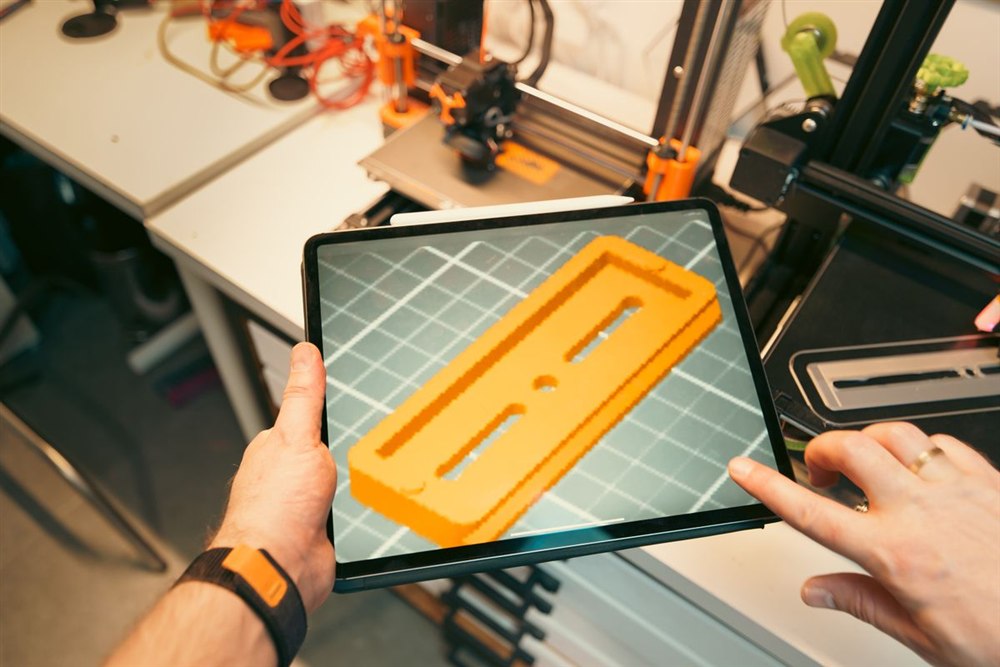
A central management application shows the state of all equipment in real time. You see what is running, what is idle and why, and you can send commands to equipment from one place.
- Real-time equipment status
- Downtime and cause registration
- Alerts on exceeded limits
- Remote equipment control
Data for other systems
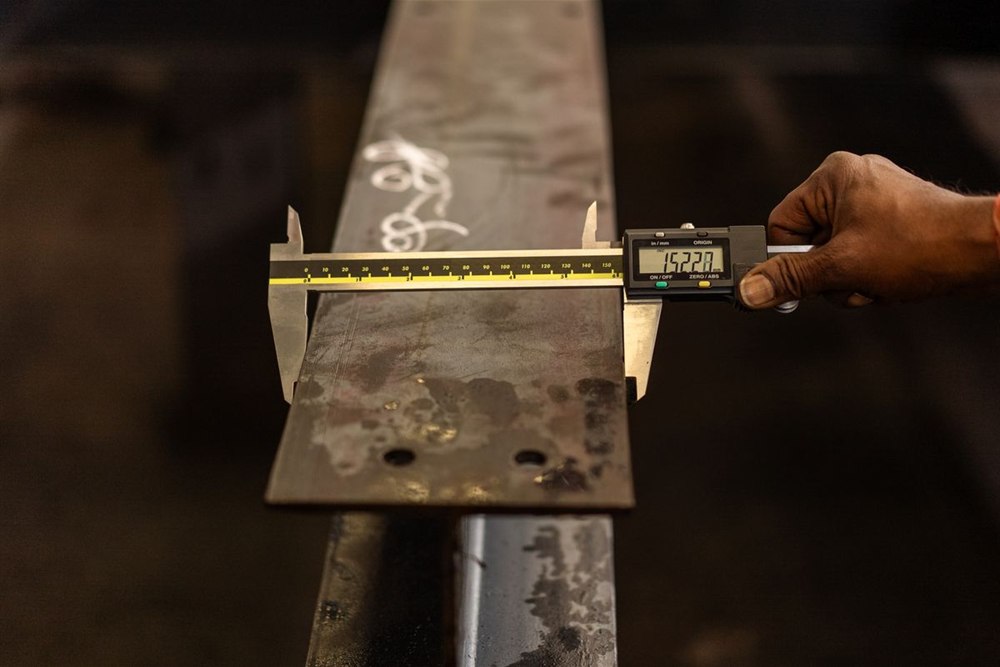
Equipment data is passed on to production planning, purchasing and analytics. Plans are made according to the real state of the equipment, and the collected data helps to predict failures.
- Integration with production planning
- Overall equipment effectiveness (OEE)
- Failure prediction
- Data collection for analytics